
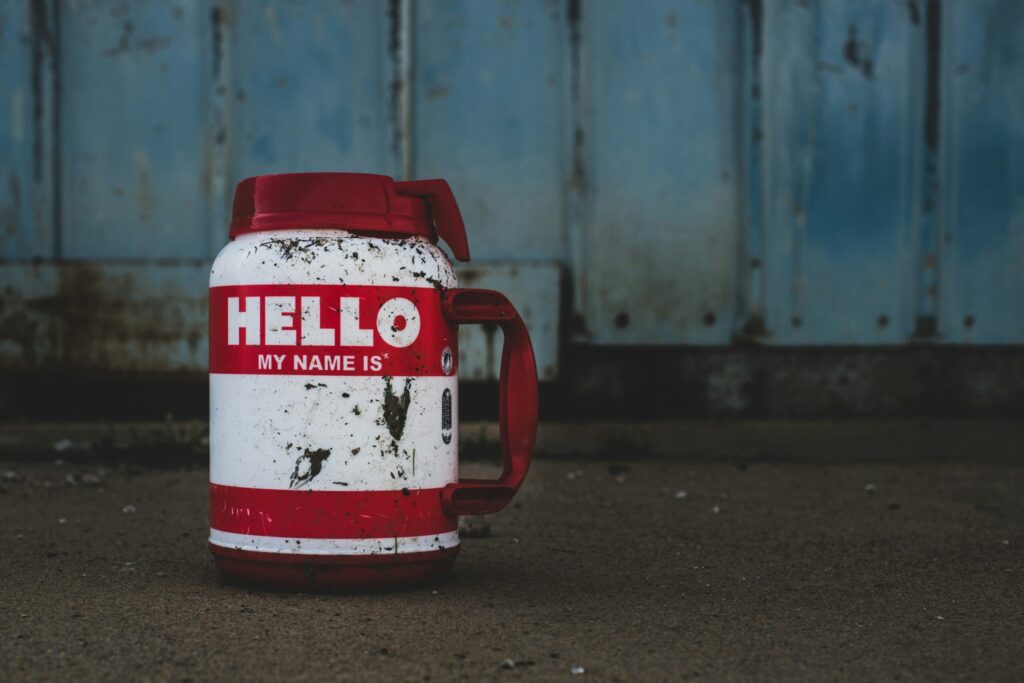
Names have power.
This is a lesson that I have learned through many years of leading teams in the engineering space.
The thing is that a lot of people don’t understand why engineers like to name things.
The other thing about it is that a lot of engineering managers and leaders don’t understand the power that naming things gives a team.
But, to digress a moment before we dive in there, let’s go back to the beginning.
Names have power.
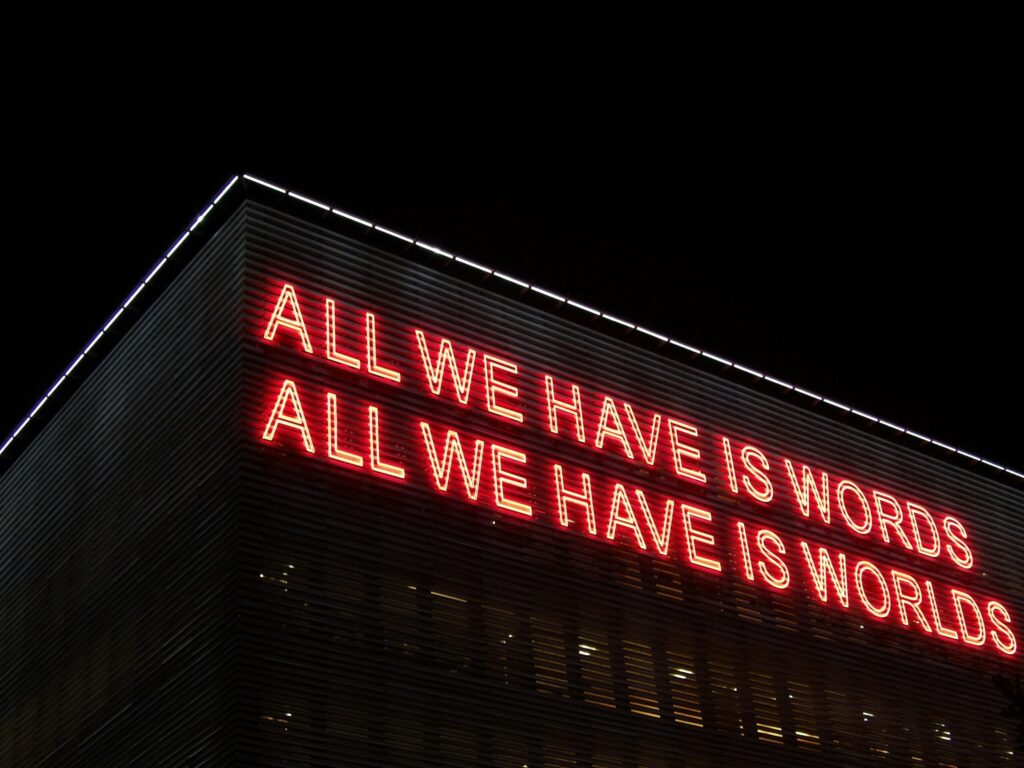
Think about it.
Humans have this intrinsic need to name things. We use names, nicknames, concepts. Miriam-Webster, the dictionary publishing company, generates a word of the year that gets press and generates conversation. This is nothing more than recognizing a socially impactful name.
Cars are named. You don’t drive “a car” you drive “a Bronco” or “a Prius”.
There are even fancy words that describe ways to create fun new names.
Ever heard the word portmanteau before?
This is when you smush two words together to form something new. You have heard these results even if you didn’t know what they were called.
Romcoms, sitcoms, ligers, newscast, brunch, mochaccino, brainiac, and cosplay are all examples of portmanteau.
Even the Bard himself recognized the power in names:
“What’s in a name? That which we call a rose by any other name would smell as sweet”
-Juilet
While researching this post I found an interesting blog about why we name things. From the post Why Do We Have Names? The Fascinating Origins Explained this stood out:
Names do more than identify; they shape our self-perception and influence how others perceive us. Psychologists have long studied the impact of names on identity formation, finding that they contribute significantly to our sense of self.

When we hear our name, it activates areas of the brain associated with attention and emotion, creating a personal connection that reinforces our individuality.
Which brings us back to engineering teams and the premise that names carry power.
If you are an engineering leader and you aren’t fighting for naming rights then you are missing a key element that can elevate your team.
Just look at that blog post again, specifically: creating a personal connection that reinforces our individuality.
There is a lot of power in ownership and personal connections between the people of a team and the identity of that team.
People communicate better when they have a personal stake in the results. The output and impact of what is produced is higher when this stake is present.
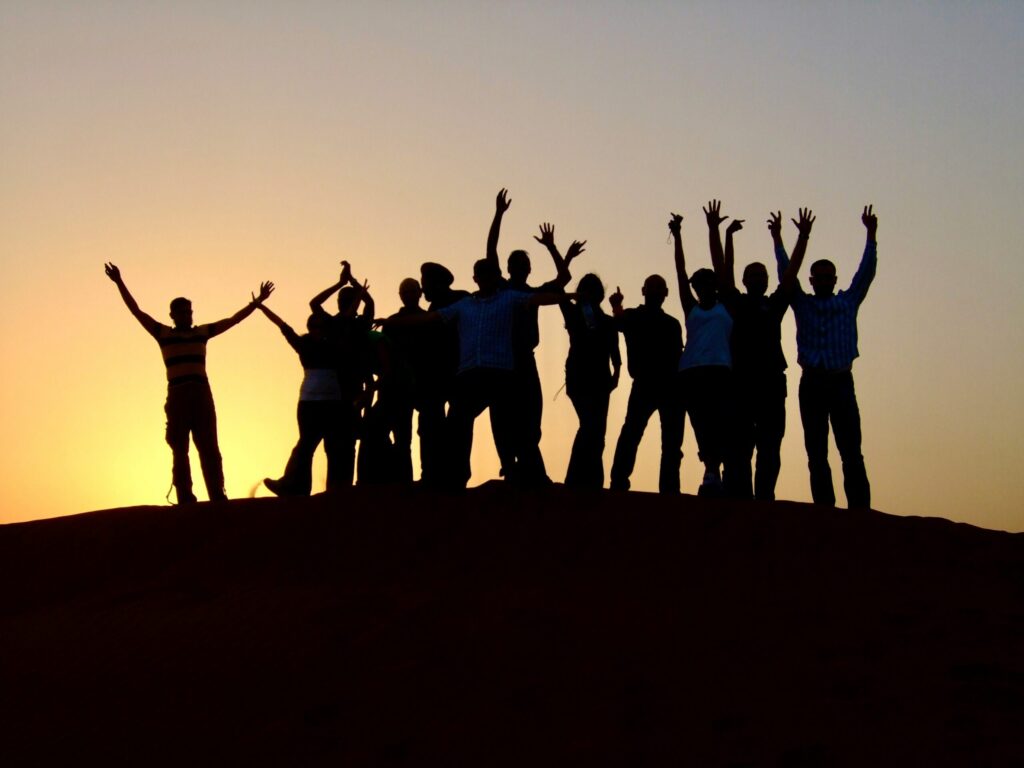
In short – the best teams, the ones that work together smoothly and seamlessly, the teams with the highest output and who make the most impact have a team identity. These people, hopefully from different backgrounds and with different strengths and weaknesses come together to form a unique, individual group.
Yes, names have power and and so do teams. And names are one way to empower your team.
At this point you might think that it is a bit crazy for an engineering manager – who is getting paid a decent amount of money for what they do – to waste time thinking about something as simple and potentially silly as what name to call something.
There was a time in my career where a decision had been made to change the org structure and to combine two teams.
In that process, the topic came up: what do we call this new team?
So I took some time and thought it through, using the premise that names have power.
The two teams had been called internally: Community and Discovery.
This concept of names having power is one that I recognized then. It influenced my thoughts and helped drive that work.
The goals for a new team name ultimately meant that I wanted to empower that team. The name would form the basis of an identity and would help be some of the foundational elements that the team would build upon.
Furthermore, I wanted to honor the work done by the individual teams and also to have something that was memorable, short, and easy to remember.
In hindsight, the answer was obvious, and while it took some convincing with multiple leaders in the org, once announced it achieved the goals that I had set out for the name.

We became the DisCo team.
We even added a spinning disco ball emoji to slack as a tiny team mascot.
Now – to be clear here I am not espousing the idea that engineering teams should name all of the products that they make.
Engineers are great and building things and clever – but they can easily be a bit too clever for their own good sometimes.
There are also groups like product managers and marketing professionals that will probably create a stronger name for customers and end users.
That is ok – on the engineering side “naming products” isn’t listed anywhere in anyone’s job description.
However, that has never stopped us from having internal working project names that we can use and enjoy while building the project.
Besides, technology is rife with examples of this.
Apple famously uses internal codenames to help protect secrecy while still giving people a moniker to use for identification and conversations.
Google has used fish names and bird names for hardware phone development codenames internally. “Sailfish”, “marlin”, and “oriole” are all examples here.
What are the server names at your organization? In one of my first roles as a developer the Simpson-themed server names of Homer, Marge, Barney, and others always made me smile.
To wrap this up, I am a firm believer that we all carry a toolbox, and for an engineering leader who wants to build and empower their teams there are many ways to create ownership and use that power for the good of the team.
Hopefully this helps you think through the power of names and it just might give you another tool for your own toolbox.
As always, thanks for reading and have an awesome day!